Steering & Brake Service in New Braunfels, TX: What Truck Owners Should Know
Your truck’s steering and brake systems are two of the most important parts of safe driving. Whether you use your truck for towing, hauling, fleet work, daily driving, or jobsite travel, you need it to stop confidently and respond predictably every time you turn the wheel.
For diesel and gas truck owners, steering and brake issues can become more serious because trucks are heavier, often carry more weight, and may operate under tougher conditions than standard passenger vehicles. A small pull, vibration, squeak, clunk, or soft brake pedal can be a warning sign that something needs attention.
At Texas Complete Truck Center in New Braunfels, TX, we help truck owners, contractors, diesel drivers, and fleet operators keep their vehicles safer, stronger, and more dependable. We service light-duty and medium-duty trucks, including Ford Powerstroke, Ram Cummins, GM Duramax, gas work trucks, fleet vehicles, commercial trucks, and larger SUVs.
Why Steering and Brake Systems Matter
Steering and braking work together every time you drive. Your steering system helps you control direction, while your brakes help you slow down,
stop, and manage the truck safely in traffic, on job sites, on highways, and while towing.
When either system starts to wear, the truck may become harder to control. You may notice longer stopping distance, pulling to one side, shaking, uneven braking, steering looseness, or unusual noises. These issues can affect safety and confidence, especially when your truck is loaded or pulling a trailer.
For work trucks and fleet vehicles, steering and brake problems can also lead to downtime. Addressing concerns early can help prevent more expensive repairs and reduce the chance of a truck being taken out of service unexpectedly.
Common Signs Your Truck Needs Brake Service
Brake problems can show up in several ways. Some symptoms are loud and obvious, while others are easy to dismiss at first.
Common warning signs include squeaking, grinding, brake pedal vibration, longer stopping distance, a soft or sinking pedal, pulling while braking, warning lights, burning smells, or fluid leaks near the wheels. If your truck shakes when stopping from highway speeds, that may also point to worn rotors, uneven pad transfer, suspension wear, or related brake concerns.
For trucks used for towing or hauling, brake wear can happen faster. Extra weight creates more heat and stress on pads, rotors, calipers, brake fluid, and hydraulic components. If your truck carries tools, equipment, trailers, or cargo, regular brake inspections are especially important.
Why Brake Inspections Should Not Wait
Brakes do not usually fail all at once without warning. In many cases, the truck gives signs before the repair becomes serious. Squeaks, vibration, grinding, or poor pedal feel should be checked early.
Ignoring brake symptoms can lead to more damage. Worn pads can damage rotors. Sticking calipers can create uneven braking and overheating. Old brake fluid can affect pedal feel and braking response. Leaks can reduce hydraulic pressure and create a serious safety concern.
At Texas Complete Truck Center in New Braunfels, TX, we inspect the brake system carefully so we can explain what is worn, what is still serviceable, and what should be repaired for safe operation.
Common Signs of Steering Problems
Steering issues can affect comfort, control, and tire wear. If your truck feels loose, wanders, pulls to one side, makes clunking noises, or feels unstable over bumps, the steering system should be inspected.
Common symptoms include steering wheel vibration, uneven tire wear, difficulty turning, excessive play in the wheel, popping noises, drifting, or a steering wheel that does not return smoothly after a turn. Some trucks may also develop fluid leaks from steering components.
Steering concerns can come from several areas, including tie rods, ball joints, steering gear, power steering components, control arms, bushings, wheel bearings, suspension parts, or alignment-related issues. Because multiple systems can create similar symptoms, accurate inspection matters.
Steering, Suspension, and Brakes Often Work Together
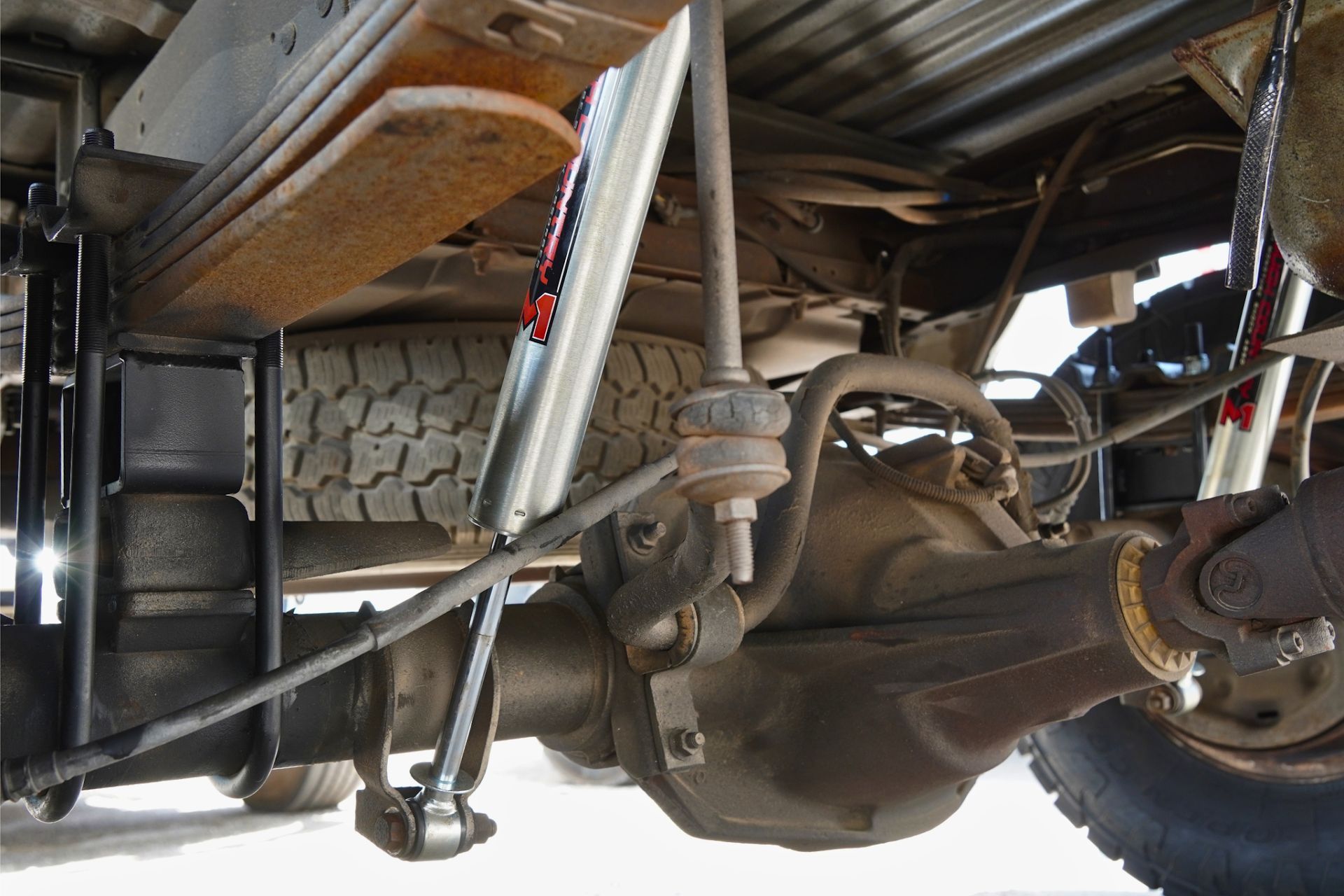
Steering and brake problems are sometimes connected to suspension wear. A worn suspension component can make the truck pull, shake, clunk, or feel unstable. That same wear can also affect braking control and tire contact with the road.
For example, worn ball joints or tie rods may cause wandering or uneven tire wear. Weak shocks or worn suspension parts can increase nose dive during braking. Bad wheel bearings can create noise, vibration, and brake-related symptoms.
This is why we look at the whole system instead of focusing only on one part. A good inspection considers brakes, steering, suspension, tires, wheels, fluid condition, and how the truck is actually being used.
Brake Service for Diesel and Gas Trucks
Diesel trucks and work trucks are often heavier and more demanding on brake systems. They may tow trailers, haul equipment, drive long distances, or make frequent stops throughout the day. That workload can increase heat and wear.
Brake service may include brake pad replacement, rotor inspection or replacement, caliper inspection, brake hose inspection, brake fluid checks, hydraulic testing, parking brake service, and brake system diagnostics. The right repair depends on the condition of the system and the way the truck is used.
For fleet vehicles, regular brake inspections can help prevent unexpected failures and keep trucks ready for daily work. A planned brake service is almost always easier to manage than a surprise repair when a vehicle is already scheduled for a job.
Steering Repair for Work Trucks and Fleet Vehicles
Work trucks need stable steering because they often operate in demanding environments. Jobsite driving, heavy payloads, towing, rough roads, larger tires, and lifted suspension setups can all increase stress on steering components.
Steering repair may involve tie rods, drag links, ball joints, steering stabilizers, power steering pumps, steering boxes, hoses, bushings, or related components. On trucks with modifications or off-road upgrades, steering geometry and component strength become even more important.
If your truck has been lifted, upgraded, or fitted with larger tires, steering concerns should be checked carefully. A setup that looks good should still drive safely and predictably.
How Towing and Hauling Affect Brakes
Towing and hauling place more demand on brakes because the truck has to control more weight. Even when using trailer brakes, the truck’s braking system still works harder than it would during light driving.
Extra weight can increase brake temperature, which may lead to faster pad wear, rotor wear, fluid stress, and reduced braking performance. If you tow regularly, it is important to check brakes before long trips and maintain the system based on use, not just mileage.
Warning signs while towing may include trailer sway, longer stopping distance, pulsing, vibration, brake smell, or reduced pedal confidence. These symptoms should be inspected before the next heavy load.
Why Fluid Condition Matters
Brake fluid and power steering fluid both play important roles in system performance. Brake fluid helps transfer pedal pressure into stopping force. Power steering fluid helps the steering system operate smoothly and with less effort.
Over time, brake fluid can absorb moisture and become less effective. Old or contaminated fluid can affect pedal feel and may contribute to corrosion inside the system. Power steering fluid can also become dirty, low, or contaminated, leading to noise, stiffness, leaks, or component wear.
Fluid checks are a practical part of steering and brake maintenance. If fluid is low, dark, leaking, or contaminated, the system should be inspected for the cause.
Do Not Ignore Pulling, Vibration, or Noise
Pulling while braking, steering vibration, clunking, squealing, grinding, or shaking are not just annoying. They are warning signs that the truck may need attention.
A pull may come from brake imbalance, alignment issues, tire problems, steering wear, suspension wear, or caliper concerns. Vibration can come from rotors, tires, wheels, driveline issues, steering components, or suspension problems. Noise can point to worn pads, loose components, dry joints, or parts under stress.
Because symptoms can overlap, professional inspection helps identify the real source instead of guessing.
Steering and Brake Care for Fleet Operators
Fleet operators need trucks that can stop, turn, and handle consistently. A steering or brake issue can remove a truck from service, delay jobs, and create safety concerns for drivers and crews.
Fleet maintenance should include routine brake inspections, steering checks, suspension review, tire wear evaluation, fluid checks, and driver feedback. Drivers often notice small changes before a problem becomes obvious during inspection.
At Texas Complete Truck Center in New Braunfels, TX, we help fleet customers approach steering and brake repair with practical planning. Our goal is to support safety, reduce downtime, and keep trucks dependable for daily operations.
Why Choose Texas Complete Truck Center for Steering & Brake Service?
Texas Complete Truck Center focuses on diesel and gas truck repair, fleet vehicles, commercial work trucks, larger SUVs, and platforms such as Ford Powerstroke, Ram Cummins, and GM Duramax. We understand the extra demands placed on trucks that tow, haul, work, and travel long distances.
We approach steering and brake service with honest diagnostics, clear communication, and quality workmanship. Instead of guessing, we inspect the system, explain what we find, and help you understand the repair options that make sense for your truck.
We also offer warranty options and financing choices, which can help customers plan repairs with more confidence. Whether you need brake service, steering repair, suspension-related inspection, or fleet maintenance, our team is here to help keep your truck safer and more reliable.
When to Schedule Steering or Brake Service
You should schedule service if your truck squeaks, grinds, pulls, shakes, vibrates, wanders, has a soft brake pedal, leaks fluid, feels loose in the steering wheel, makes clunking noises, or takes longer to stop.
These symptoms should be addressed sooner if you tow, haul, drive for work, manage fleet vehicles, or operate a diesel truck under heavy load. Early inspection can help reduce repair costs and prevent avoidable safety issues.
A truck should feel steady, controlled, and confident. If something feels different, it is worth checking.
Final Thoughts
Steering and brakes are essential to truck safety, control, and reliability. For diesel trucks, gas work trucks, fleet vehicles, commercial trucks, and larger SUVs, these systems need regular attention because they often handle more weight and tougher driving conditions than standard vehicles.
For truck owners in New Braunfels, TX, Texas Complete Truck Center provides steering and brake service built around accurate inspection, practical recommendations, and dependable repair work. Whether your truck is showing warning signs or you want to stay ahead of wear, we help keep your vehicle ready for the road, the jobsite, and the next load.

Protect Your Truck Transmission Before Problems Start: 5 Upgrades That Help Extend Transmission Life