The Complete Guide to Truck Transmissions: Common Problems, Warning Signs, Repairs & Maintenance
New Title
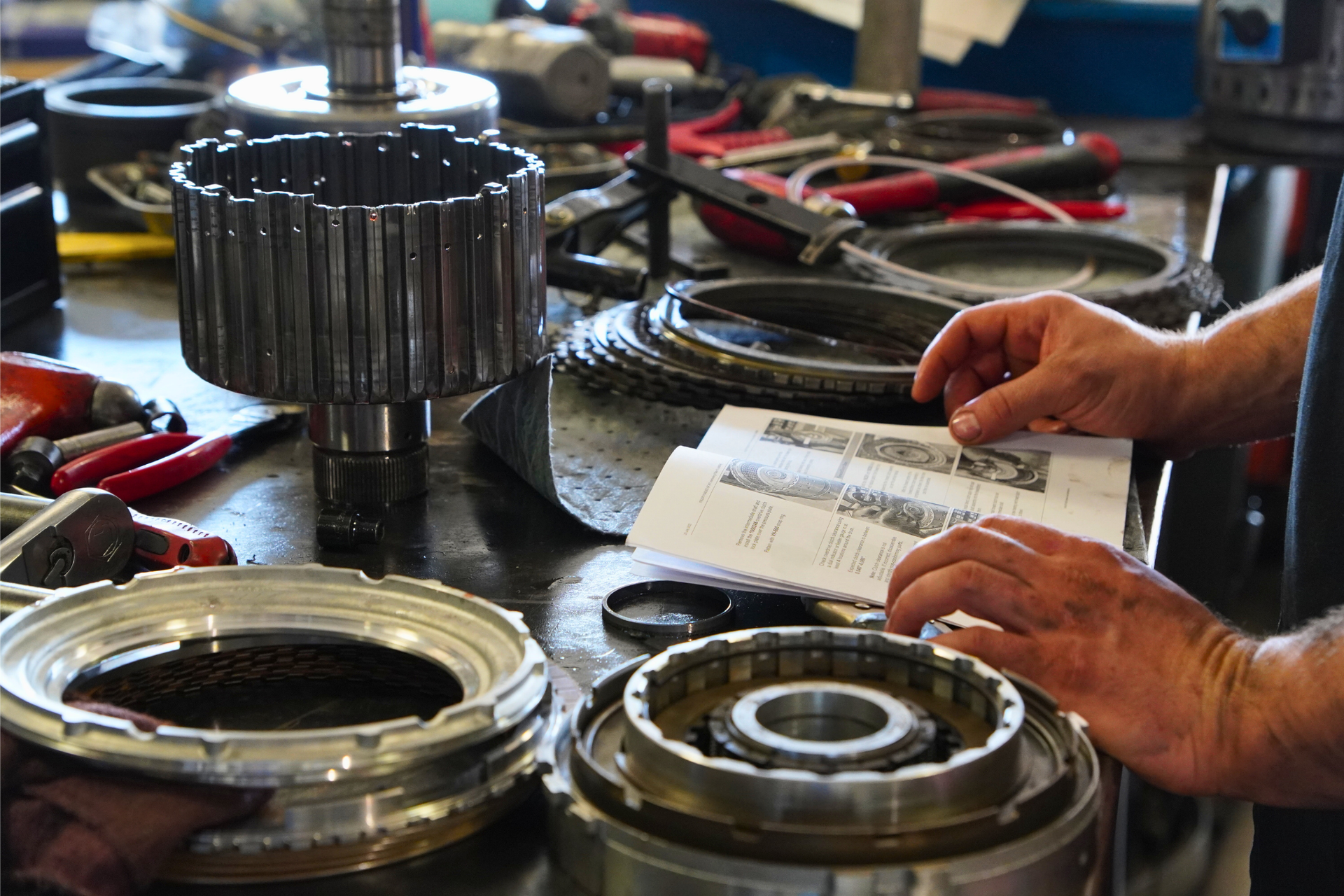
How Does a Truck Transmission Work?
A transmission controls how engine power reaches your wheels by selecting different gear ratios based on your speed, engine load, and driving conditions. Today's trucks rely on sophisticated hydraulic systems, electronic controls, sensors, valve bodies, torque converters, and computer programming to deliver smooth, efficient shifting.
Automatic transmissions continually monitor dozens of inputs—including throttle position, engine RPM, vehicle speed, transmission temperature, and towing load—to determine the best time to shift.
Whether your truck has a six-speed, eight-speed, ten-speed, or heavy-duty automatic transmission, they all perform the same essential job: delivering power efficiently while protecting the engine.
Common Truck Transmissions
Every manufacturer has developed transmissions designed for different engines and workloads.
Ford
Popular Ford transmissions include:
- 10R80
- 10R140
- 6R80
- 6R140
- TorqShift Series
Ram
Common Ram transmissions include:
- 68RFE
- 66RFE
- 545RFE
- 48RE
- Aisin AS69RC
- ZF 8HP75
Chevrolet & GMC
GM trucks commonly use:
- Allison 1000
- Allison 10-Speed
- 6L80
- 6L90
- 8L90
- 10L80
- 10L90
Toyota
Popular Toyota truck transmissions include:
- AB60
- A750
- AC60
- Direct Shift 10-Speed
Nissan
Nissan trucks commonly use:
- RE5R05A
- JR710E
- Jatco 7-Speed
Jeep
Popular Jeep truck and SUV transmissions include:
- 850RE
- 8HP70
- 8HP75
- W5A580
Although every transmission has unique engineering, they all experience similar wear over time.
The Most Common Transmission Problems
Hard or Harsh Shifting
One of the first warning signs many truck owners notice is harsh shifting between gears.
Possible causes include:
- Low transmission fluid
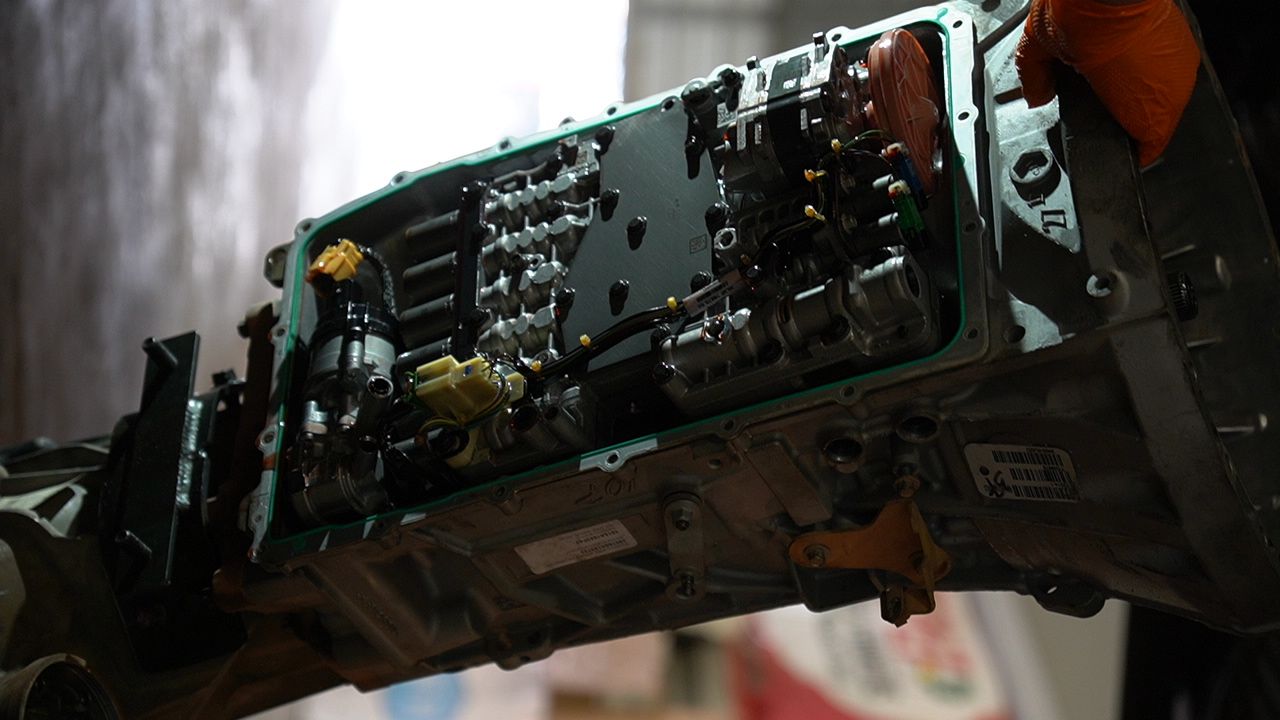
- Valve body wear
- Faulty shift solenoids
- Worn clutch packs
- Software calibration issues
- Internal hydraulic pressure loss
Slipping Transmission
A slipping transmission occurs when engine RPM increases but the truck doesn't accelerate properly.
Common causes include:
- Burnt clutch material
- Low fluid
- Internal seal failure
- Torque converter problems
- Worn planetary gear components
Delayed Engagement
If your truck hesitates before moving after shifting into Drive or Reverse, the transmission may have:
- Low hydraulic pressure
- Valve body problems
- Pump wear
- Internal clutch damage
- Fluid restrictions
Transmission Overheating
Heat is responsible for more transmission failures than almost anything else.
Excessive temperatures can damage:
- Clutches
- Seals
- Bearings
- Solenoids
- Valve bodies
- Torque converters
Heavy towing, oversized tires, poor cooling, old fluid, and aggressive driving all contribute to overheating.
Torque Converter Failure
The torque converter transfers engine power into the transmission.
When it begins failing, you may notice:
- Shudder during acceleration
- Poor fuel economy
- Delayed engagement
- Overheating
- Metal contamination
- Vibration while cruising
Fluid Leaks
Transmission fluid leaks should never be ignored.
Leaks may develop from:
- Pan gaskets
- Cooler lines
- Output shaft seals
- Front pump seals
- Transmission cooler fittings
Even a slow leak can eventually lead to low fluid levels and serious internal damage.
Warning Lights
Modern trucks constantly monitor transmission operation.
Common warning indicators include:
- Check Engine Light
- Transmission Temperature Warning
- Service Transmission Message
- Limp Mode
- Reduced Power Mode
Professional diagnostics are essential to identify the underlying issue instead of replacing parts unnecessarily.
What Causes Transmission Failure?
Most transmission failures result from gradual wear rather than sudden breakdowns.
Common causes include:
Lack of Maintenance
Transmission fluid breaks down over time due to heat and friction. As fluid loses its protective qualities, internal wear increases.
Heavy Towing
Towing heavy trailers places tremendous stress on transmission components and raises operating temperatures.
Dirty Transmission Fluid
Metal particles, clutch material, and debris circulate through the transmission, wearing internal components if the fluid isn't serviced.
Overheating
High temperatures shorten the lifespan of seals, clutches, bearings, and electronic components.
Aggressive Driving
Rapid acceleration, frequent heavy loads, oversized tires, and performance modifications increase stress throughout the drivetrain.
Ignoring Early Symptoms
Many major transmission failures begin as minor issues that could have been repaired before internal damage spread.
Signs Your Truck Needs Transmission Service
Watch for these warning signs:
- Hard shifting
- Delayed shifting
- Slipping gears
- Transmission shudder
- Burning smell
- Fluid leaks
- Whining or grinding noises
- Difficulty towing
- Check Engine Light
- Poor acceleration
- High transmission temperatures
The earlier these symptoms are diagnosed, the more repair options may be available.
Can a Transmission Be Repaired Instead of Replaced?
Not every transmission problem requires a complete replacement.
Depending on the issue, repairs may include:
- Transmission diagnostics
- Valve body repair
- Solenoid replacement
- Torque converter replacement
- Sensor replacement
- Transmission cooler repairs
- Leak repairs
- Software updates
- Internal component replacement
If significant internal damage is found, a rebuild or replacement may be the most reliable long-term solution.
How to Extend the Life of Your Transmission
Preventative maintenance is one of the best investments you can make.
We recommend:
- Following manufacturer-recommended service intervals
- Checking fluid condition regularly
- Repairing leaks immediately
- Keeping the cooling system functioning properly
- Using the correct transmission fluid
- Avoiding excessive heat buildup while towing
- Addressing warning lights as soon as they appear
- Scheduling professional inspections when drivability changes occur
Routine maintenance can help maximize transmission performance and reduce the risk of costly repairs.
Trust Texas Complete Truck Center for Truck Transmission Repair
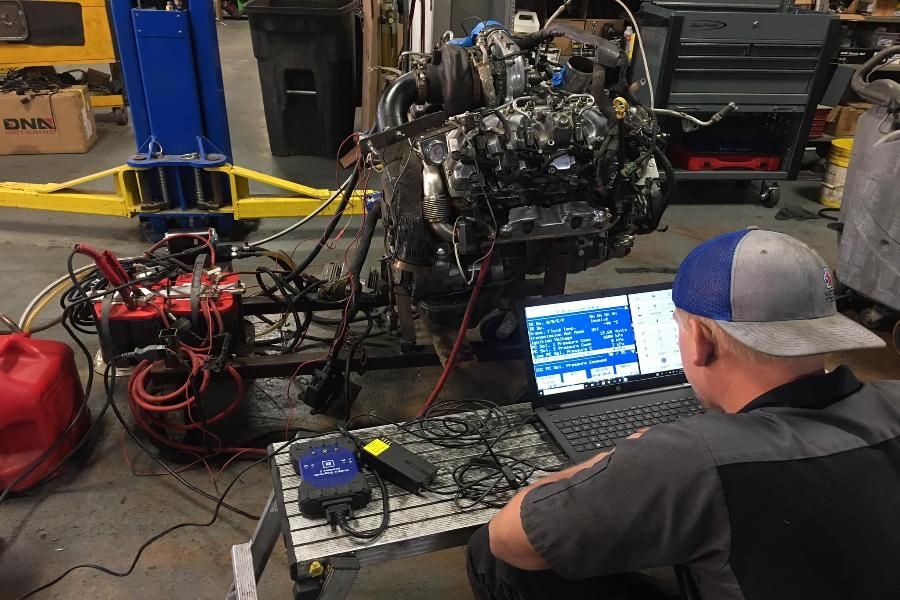
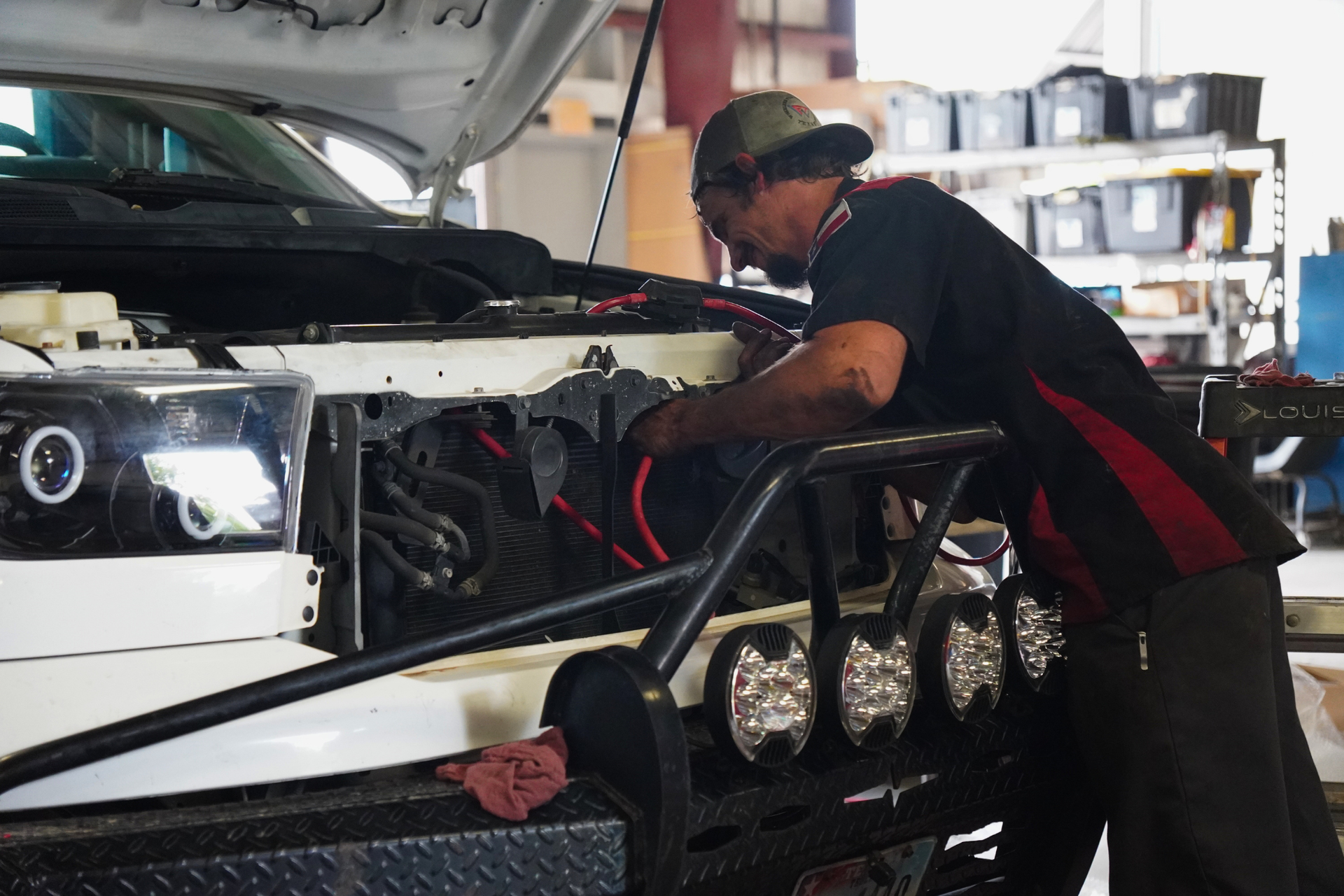
Whether your truck is used for work, towing, off-road adventures, or everyday driving, transmission problems should never be ignored. Our experienced technicians use advanced diagnostic equipment to accurately identify transmission issues and recommend repairs based on the condition of your vehicle—not guesswork.
We service a wide variety of light-duty trucks, including Ford, Ram, Chevrolet, GMC, Toyota, Nissan, and Jeep models. From transmission diagnostics and fluid services to major repairs and component replacement, we're committed to helping you keep your truck running reliably.
If you're experiencing shifting problems, warning lights, transmission leaks, or unusual noises, contact Texas Complete Truck Center in New Braunfels, TX. We're proud to serve truck owners throughout New Braunfels, San Antonio, Seguin, Schertz, Cibolo, Canyon Lake, Bulverde, San Marcos, and the surrounding Central Texas communities.

Protect Your Truck Transmission Before Problems Start: 5 Upgrades That Help Extend Transmission Life