Why Is My 6.7 Power Stroke Losing Power? Common Causes, Symptoms, and How to Fix It
Why Is My 6.7 Power Stroke Losing Power? Common Causes, Symptoms, and How to Fix It.
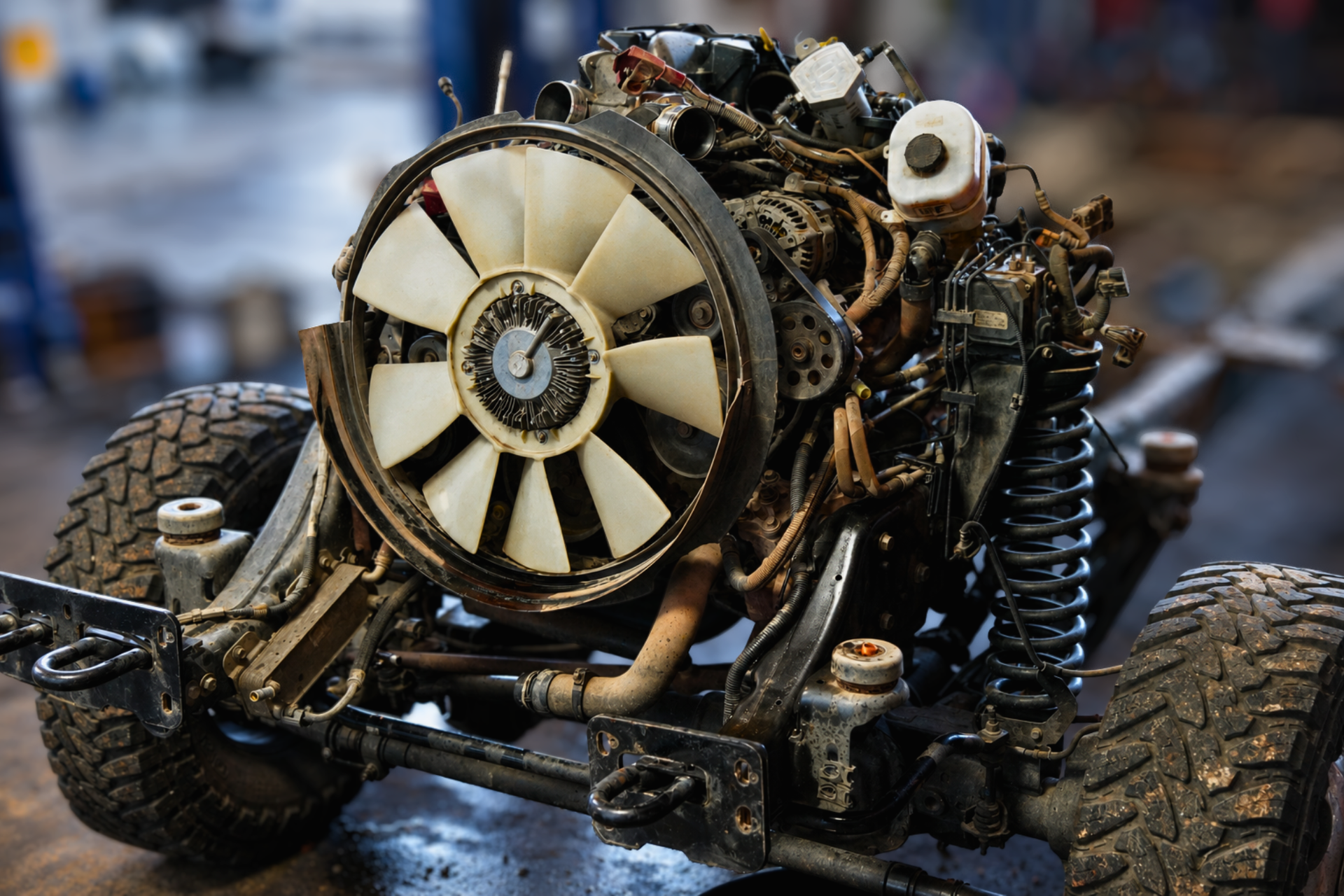
Experiencing low power in your 6.7 Power Stroke? Learn the most common causes of power loss, including turbocharger issues, fuel system problems, clogged DPF filters, injector failures, boost leaks, and professional diesel diagnostics to restore your truck's performance.
If you've found yourself asking, "Why is my 6.7 Power Stroke losing power?", you're not alone. One of the most common complaints from Ford Super Duty owners is a noticeable drop in performance. Whether you drive a Ford F-250, F-350, F-450, or F-550, a lack of power can make your truck feel sluggish, reduce towing capability, lower fuel economy, and leave you wondering if a major repair is around the corner.
The good news is that a loss of power doesn't always mean your engine is failing. In many cases, it's caused by a component that can be diagnosed and repaired before it leads to more expensive damage.
The 6.7L Power Stroke diesel engine has earned a reputation for producing exceptional horsepower, torque, and towing performance. However, because it relies on advanced fuel delivery, turbocharging, emissions equipment, sensors, and electronic controls, even one failing component can dramatically affect how your truck performs.
Common Signs Your 6.7 Power Stroke Is Losing Power
Power loss doesn't always feel the same from truck to truck. Some owners notice a gradual decline in performance, while others experience a sudden lack of power.
Common Symptoms
- Slow acceleration
- Poor throttle response
- Reduced towing performance
- Low turbo boost
- Black smoke from the exhaust
- White smoke on startup
- Poor fuel economy
- Frequent DPF regenerations
- Check Engine Light
- Limp Mode
- Hard starting
- Rough idle
If you're experiencing one or more of these symptoms, it's important to diagnose the problem before additional components become damaged.
1. Clogged Fuel Filters Can Restrict Power
One of the most common—and easiest to fix—causes of low power is restricted fuel flow.
The 6.7 Power Stroke uses both a primary and secondary fuel filter to protect the high-pressure fuel system. Over time these filters collect dirt, water, rust, and contaminants that reduce fuel pressure. When enough fuel cannot reach the injectors, the engine simply cannot produce the horsepower it was designed to make.
Many owners notice the truck idles perfectly but feels weak whenever they accelerate or tow a heavy load.
Replacing both fuel filters every 15,000 to 20,000 miles is one of the best ways to prevent fuel system problems.
2. CP4 High-Pressure Fuel Pump Failure
One of the most talked-about issues on early 6.7 Power Stroke engines is the Bosch CP4 high-pressure fuel pump.
Unlike many fuel pump failures, a failing CP4 can send metal particles throughout the entire fuel system. Once contamination spreads, repairs often include replacing injectors, fuel rails, pressure regulators, fuel lines, and the pump itself.
Warning Signs
- Sudden loss of power
- Hard starting
- Engine stalling
- Low fuel pressure codes
- Metal found in fuel filters
Catching these symptoms early can often save thousands of dollars.
3. Dirty Air Filters Reduce Horsepower
Your turbocharger needs a tremendous amount of clean air to produce boost.
When the engine air filter becomes clogged, airflow decreases, causing lower boost pressure, higher exhaust temperatures, reduced fuel economy, and sluggish acceleration.
If your truck regularly drives on dusty roads or job sites, inspect the air filter more frequently than the factory maintenance schedule recommends.
4. Turbocharger Problems
The Variable Geometry Turbocharger (VGT) plays one of the biggest roles in engine performance.
Carbon buildup, worn bearings, damaged compressor wheels, sticking vanes, or electronic actuator failures can all prevent the turbo from building proper boost.
Common Symptoms
- Slow acceleration
- Low boost pressure
- Black smoke
- Turbo lag
- Reduced towing performance
Many turbo problems can be identified through boost testing before complete failure occurs.
5. Boost Leaks
Not every turbo issue is actually a bad turbo.
A cracked intercooler, torn intercooler boot, loose clamp, or damaged charge pipe allows boost pressure to escape before reaching the engine.
Even a small boost leak can dramatically reduce horsepower while making the truck feel sluggish.
6. EGR System Problems
The Exhaust Gas Recirculation (EGR) system naturally builds carbon deposits over time.
As soot accumulates inside the intake and EGR valve, airflow becomes restricted and engine performance suffers.
Common symptoms include hesitation, rough idle, poor fuel economy, reduced throttle response, and a check engine light.
7. DPF Restrictions
The Diesel Particulate Filter (DPF) traps soot before it exits the exhaust.
When regeneration cycles fail to complete, soot continues building inside the filter until exhaust backpressure increases enough that the engine reduces power to protect itself.
Ignoring DPF issues can eventually damage other expensive components, including the turbocharger.
8. DEF and SCR System Issues
Modern 6.7 Power Stroke trucks also rely on the DEF and SCR systems to reduce emissions.
Faulty NOx sensors, contaminated DEF fluid, injector failures, or SCR catalyst problems can force your truck into reduced power mode.
Although these problems are emissions-related, they often feel like serious engine problems.
9. Faulty MAP and MAF Sensors
Your truck depends on accurate airflow information from the MAP and MAF sensors.
When these sensors become dirty or fail, fuel delivery and turbocharger operation become less efficient, leading to hesitation, black smoke, low boost, and poor acceleration.
Fortunately, sensor cleaning or replacement is often a straightforward repair.
10. Fuel Injector Problems
As injectors wear, fuel atomization becomes less efficient, reducing combustion quality and overall engine performance.
Drivers may experience rough idle, white smoke, hard starting, increased fuel consumption, and reduced power.
Professional injector balance testing is the best way to determine whether replacement is necessary.
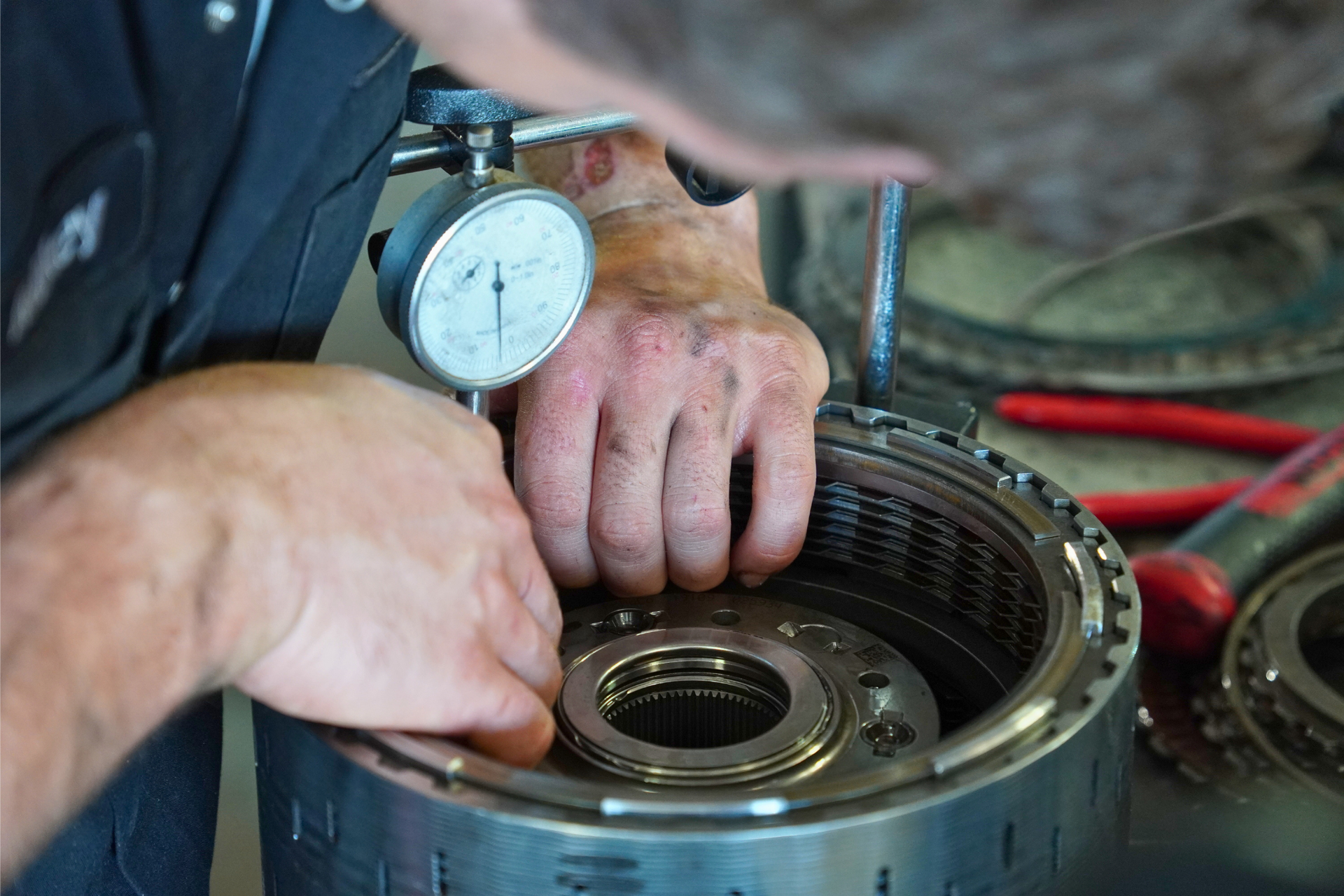
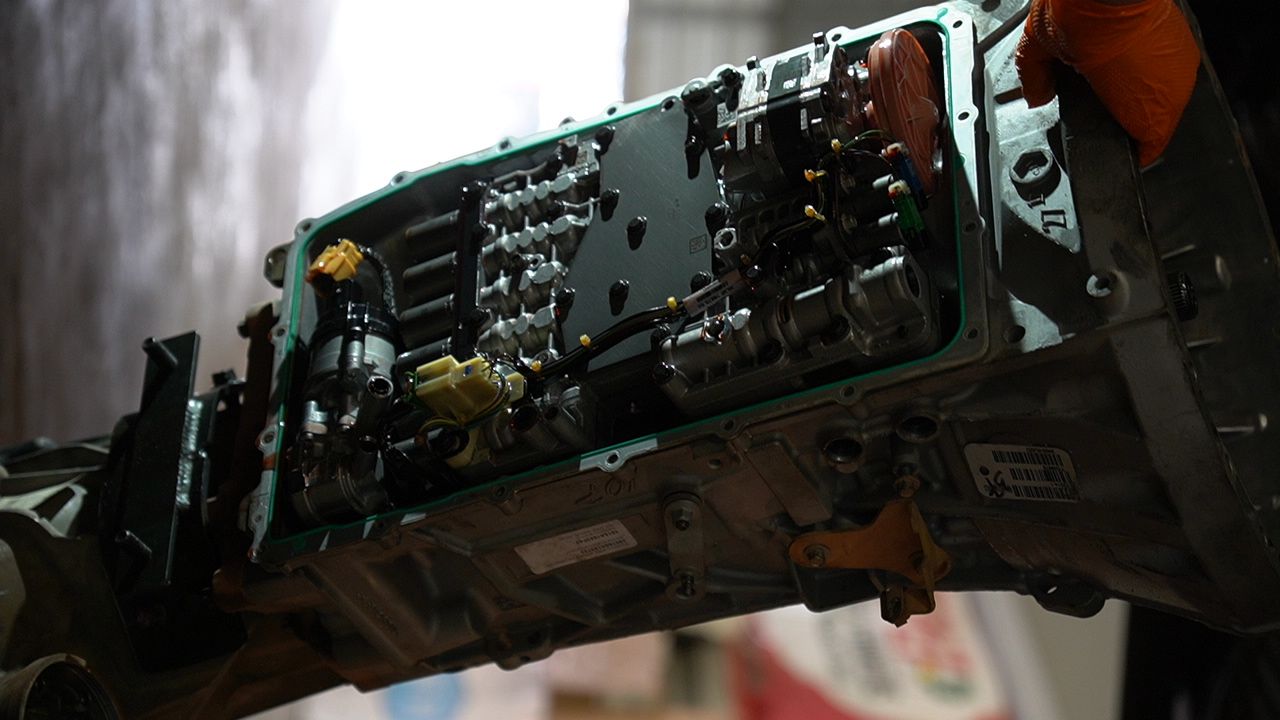
11. Don't Forget About the Transmission
Not every power complaint is caused by the engine.
A slipping transmission can make your truck feel severely underpowered even when the engine is producing full power.
Always inspect transmission performance before assuming the engine is at fault.
Why Professional Diesel Diagnostics Matter
Today's 6.7 Power Stroke engines rely on dozens of sensors and electronic systems working together. Proper diagnostics can identify the root cause of power loss before unnecessary parts are replaced.
Professional Diagnostics Typically Include
- Computer scanning for fault codes
- Live engine data monitoring
- Fuel pressure testing
- Turbo boost testing
- Smoke testing for boost leaks
- Injector balance testing
- Road testing under load
- Exhaust backpressure testing
Finding the actual problem first saves both time and money while preventing unnecessary repairs.
Trust Texas Complete Truck Center With Your 6.7 Power Stroke
If your 6.7 Power Stroke is losing power, don't ignore the warning signs. Whether your truck feels sluggish, struggles to accelerate, won't build boost, has reduced towing performance, is frequently regenerating, or has entered limp mode, diagnosing the issue early can prevent a minor repair from turning into a major expense.
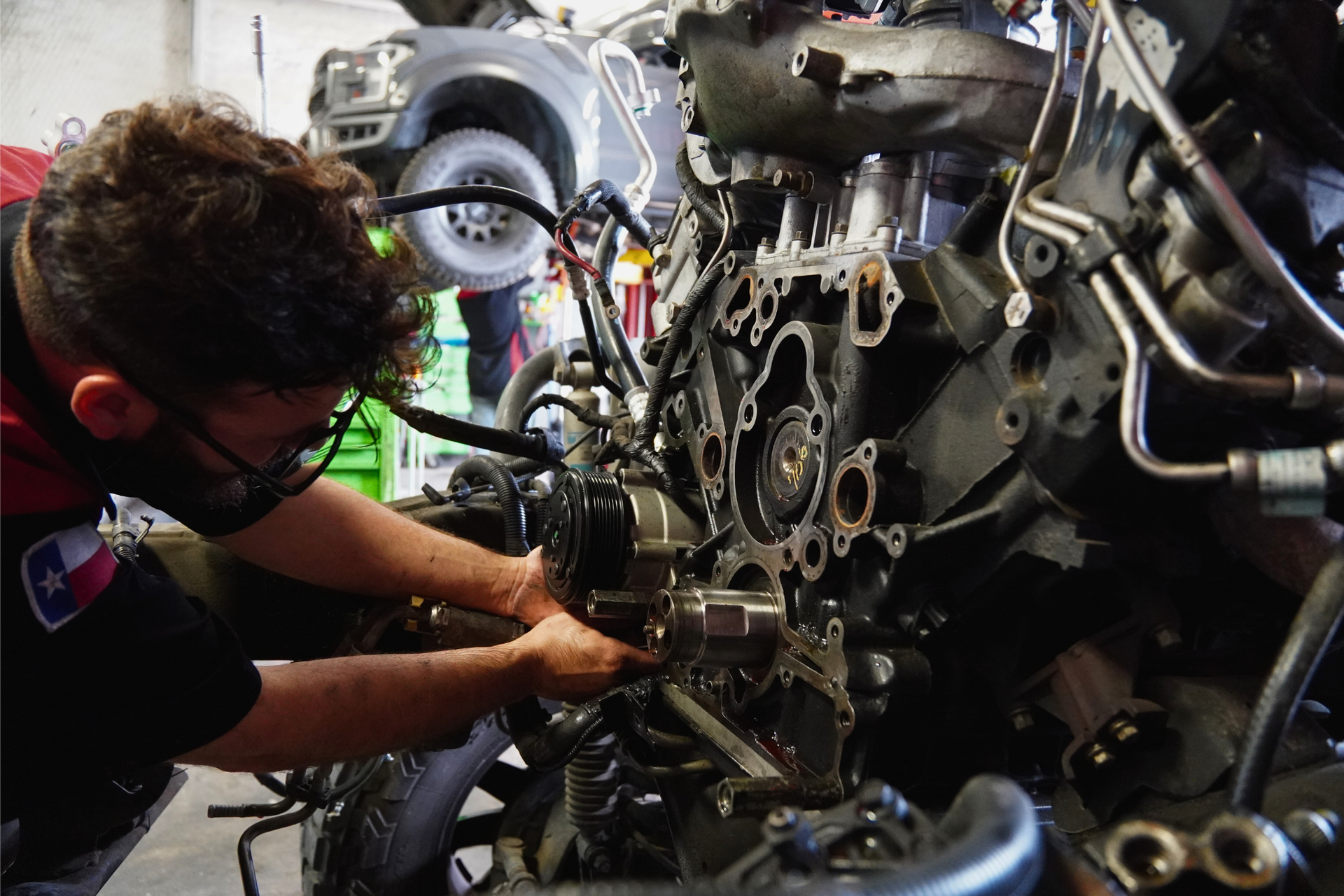
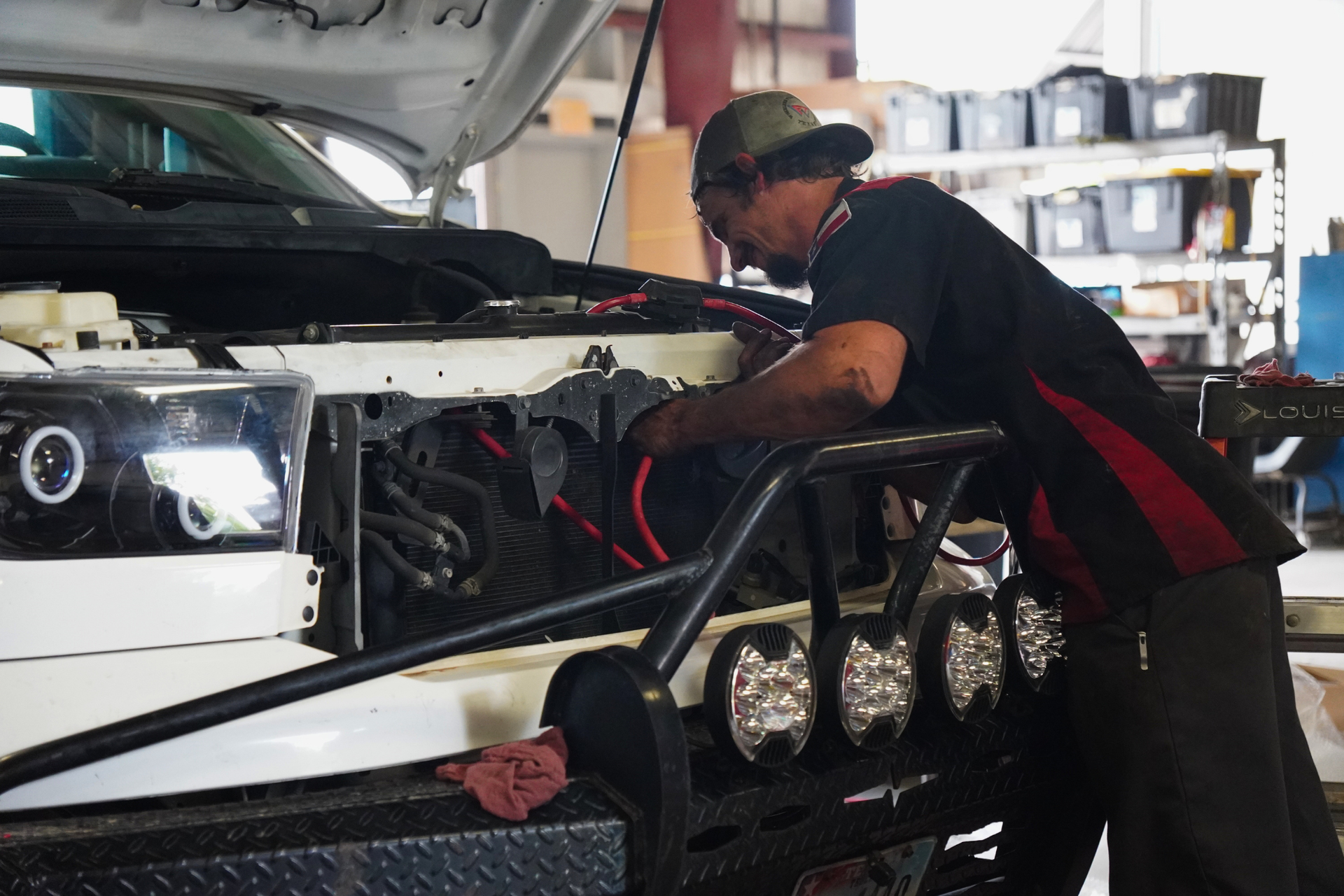
At Texas Complete Truck Center in New Braunfels, Texas, our experienced diesel technicians specialize in diagnosing and repairing Ford 6.7 Power Stroke diesel trucks using advanced diagnostic equipment to accurately pinpoint the root cause of the problem. From clogged fuel filters, failing CP4 fuel pumps, injector issues, turbocharger problems, boost leaks, and sensor failures to DPF, DEF, and EGR system faults, we have the knowledge and equipment to get your truck back to performing the way Ford intended.
We proudly provide 6.7 Power Stroke repair and diesel diagnostics in New Braunfels and serve customers throughout San Marcos, Seguin, Schertz, Cibolo, Garden Ridge, Bulverde, Canyon Lake, North San Antonio, and the surrounding Central Texas communities.
Whether you use your Ford F-250, Ford F-350, Ford F-450, or Ford F-550 for work, towing, or everyday driving, our team is committed to providing honest diagnostics, quality repairs, and dependable service that gets you back on the road with confidence.
If your 6.7 Power Stroke is losing power, contact Texas Complete Truck Center today to schedule a professional diesel diagnostic and let our experts restore the power, performance, and reliability your truck was built to deliver.

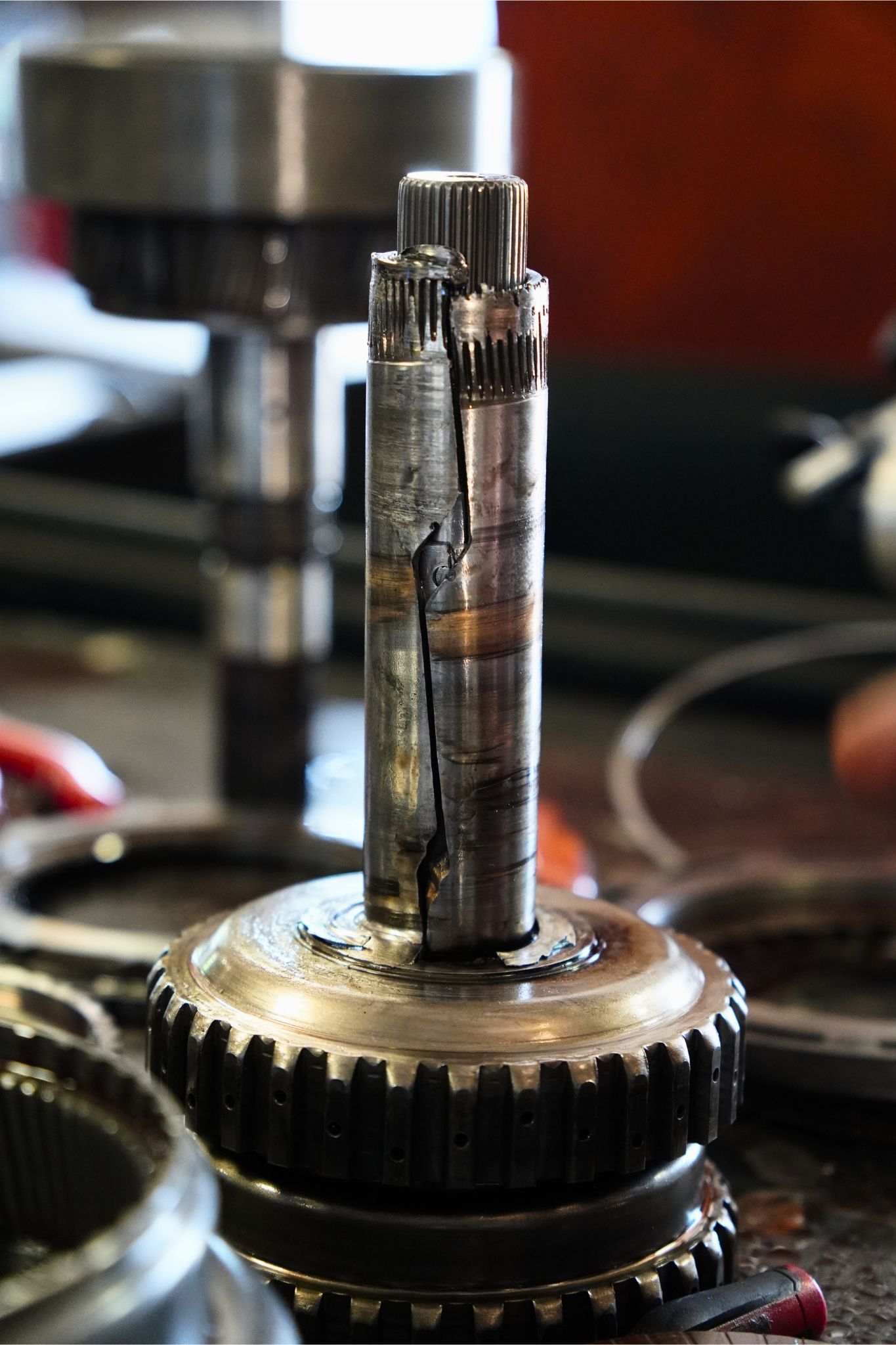
Protect Your Truck Transmission Before Problems Start: 5 Upgrades That Help Extend Transmission Life